


Migraine Headache Remedy


Optimum Nutrition Electrolyte Powder 264g 33 Servings


Patrick Holford Immune C

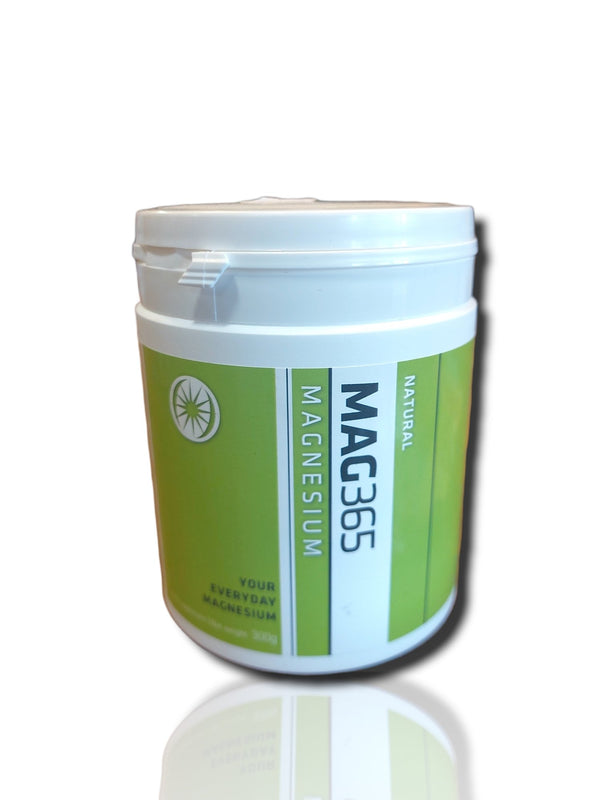
MAG365 Magnesium Supplement - Unflavoured

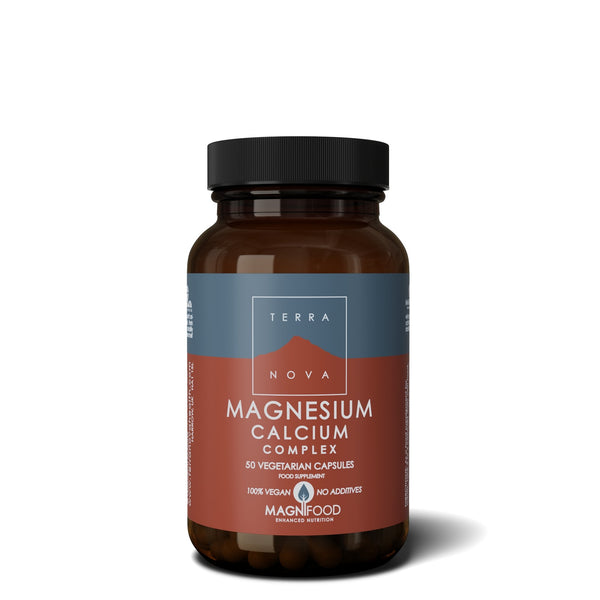
Terra Nova Magnesium Calcium 2:1 Complex Veg Caps


PrizMag Magnesium Bisglycinate


Better You Magnesium Oil Spray 100ml


BioCare Magnesium Malate 90caps

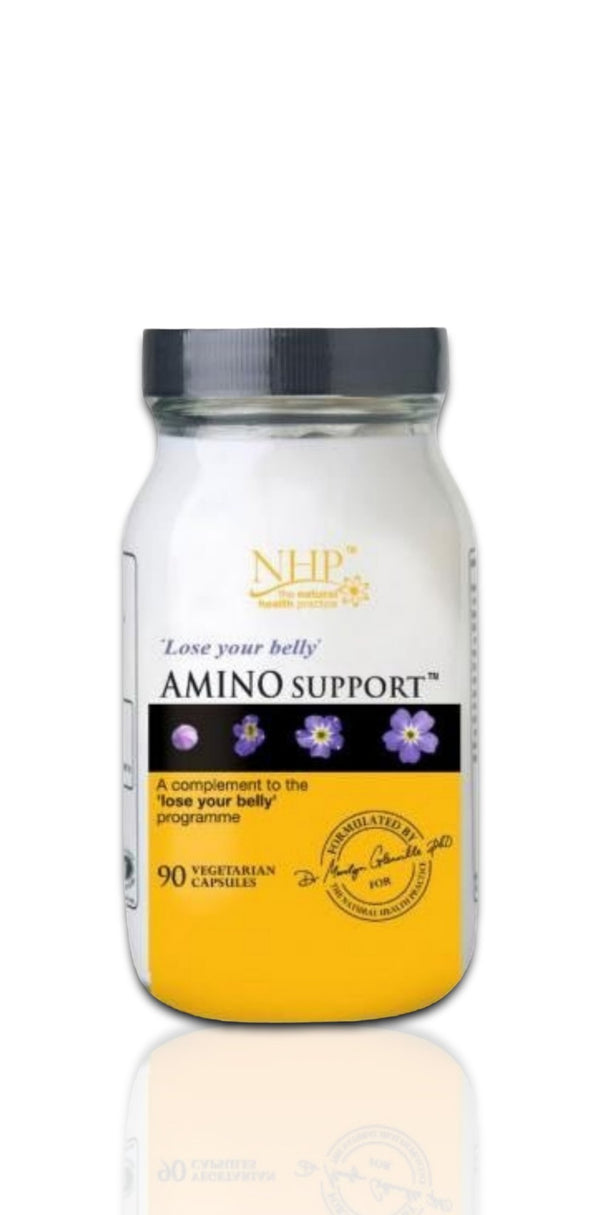
NHP Amino Support 90 capsules
Migraine Headache Remedy
Natural Support, Lifestyle Ideas and Supplements for Migraine Relief
Migraines can be debilitating, disruptive and difficult to manage. Many people seek a migraine headache remedy that goes beyond medication, focusing instead on natural lifestyle support and targeted nutritional supplementation. This page explores practical, natural approaches and vitamins for migraine that may help support comfort, resilience and overall wellbeing.
What Is a Migraine Headache?
A migraine headache is a complex neurological condition often linked to changes in blood vessel behaviour in the brain. During a migraine, blood vessels may widen, triggering chemical signals from surrounding nerve fibres. This process can lead to inflammation, increased sensitivity and significant pain.
Unlike tension headaches, migraines are often accompanied by symptoms such as light sensitivity, nausea, visual disturbances and fatigue. Because triggers and symptoms vary widely between individuals, a personalised, supportive approach is often most effective.
Are There Natural Ways to Support Migraine Relief?
Many people explore natural migraine remedies alongside conventional care. While no single solution works for everyone, a combination of lifestyle strategies and nutritional support can make a meaningful difference.
Massage and Acupuncture
Massage therapy focused on the head, neck and shoulders may help reduce muscular tension and stress, two common migraine triggers. Acupuncture has also been reported by some migraine sufferers to support relaxation and nervous system balance. These approaches are highly individual, but many people find them worth exploring as part of a broader migraine-support routine.
Cold Compress Therapy
Cold compresses are a popular, low-effort migraine headache remedy. Applying a cold pack or cool cloth to the head or neck may help calm nerve sensitivity and reduce discomfort. While relief may be temporary, cold therapy can be helpful when used alongside rest and other supportive measures.
Can Food Help With Migraines?
Dietary triggers and supports vary greatly from person to person. Some individuals report benefits from salty foods, small amounts of caffeine or antioxidant-rich nutrients such as vitamin C. However, food-based approaches tend to be more effective for headaches caused by dehydration or low blood sugar rather than true migraines.
If using dietary strategies, moderation is key, excessive caffeine, for example, may worsen migraine symptoms rather than relieve them.
Darkness and Silence
One of the most consistently helpful migraine-support strategies is darkness and quiet. Reducing sensory input can help calm the nervous system during an attack. Combining rest in a dark, quiet environment with other natural remedies often improves overall effectiveness.
Keep It Simple
When it comes to migraine support, simpler approaches are often the most sustainable. Rather than trying many solutions at once, focusing on hydration, stress management, consistent nutrition and targeted supplementation can provide steady, long-term support.
Supplements for Migraine Support
Targeted migraine supplements are commonly used to support nervous system function, blood vessel stability and hydration, all key factors in migraine susceptibility.
Vitamin C for Migraines
Vitamin C supports the body’s natural antioxidant and anti-inflammatory processes. Migraines are often associated with oxidative stress and inflammation, and vitamin C helps protect cells while supporting immune and vascular health. Many people include vitamin C as part of a natural migraine remedy routine to support overall resilience and reduce inflammation-related triggers.
Magnesium for Migraines
Magnesium is one of the most researched nutrients in migraine support. Low magnesium levels are associated with muscle tension, blood vessel constriction and increased nerve excitability, all common migraine triggers.
Supplementing with magnesium may help:
- Relax muscles and blood vessels
- Support healthy nerve signalling
- Promote balanced blood flow
Forms such as magnesium bisglycinate and magnesium citrate are often well tolerated and commonly used as daily vitamins for migraine support. Learn about the difference between Glycinate and Bisglycinate here.
Electrolytes for Migraines
Dehydration is one of the most common migraine triggers. Electrolytes, including sodium, potassium and magnesium, are essential for hydration, nerve communication and energy production.
Electrolyte supplements can be especially helpful during:
- Hot weather
- Physical activity
- Illness
- Periods of increased stress
Maintaining proper hydration with balanced electrolytes may help reduce the frequency and intensity of migraine episodes for many people.
A Supportive, Holistic Approach to Migraines
Managing migraines often requires a multi-layered approach that includes:
- Identifying personal triggers
- Supporting hydration and nutrition
- Managing stress and sleep
- Using targeted supplements for migraine headaches
Our carefully selected range of vitamins for migraine and natural supplements is designed to support these foundations as part of a balanced lifestyle.