


Psoriasis Supplements

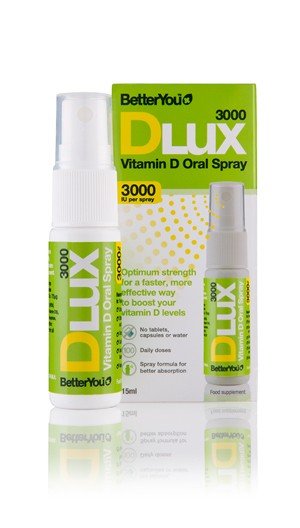
Better You Oral Spray DLux 3000 15ml

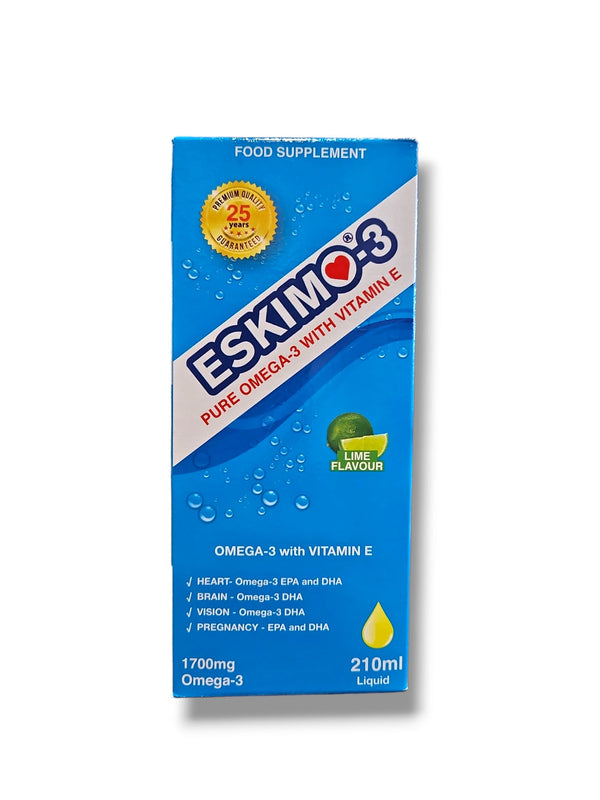
Eskimo 3 with Vitamin E Liquid

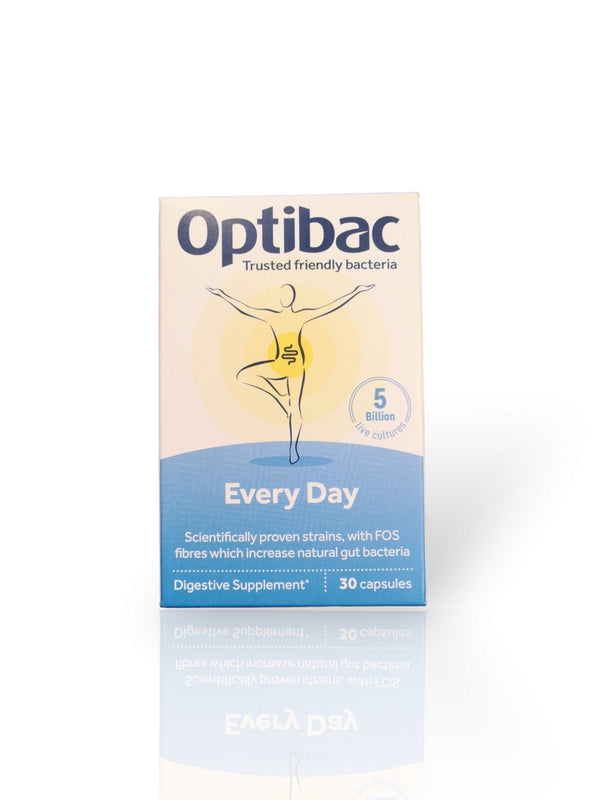
OptiBac Probiotics For Every Day 30caps

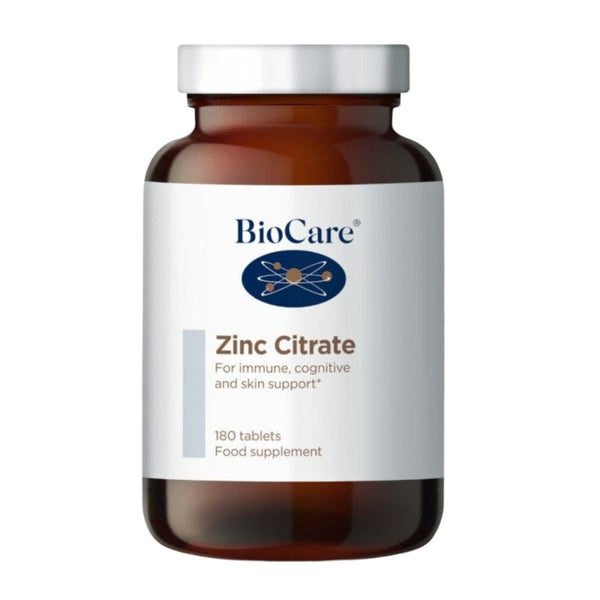
Biocare Zinc Citrate


Cleanmarine High Strength Krill Oil 60caps

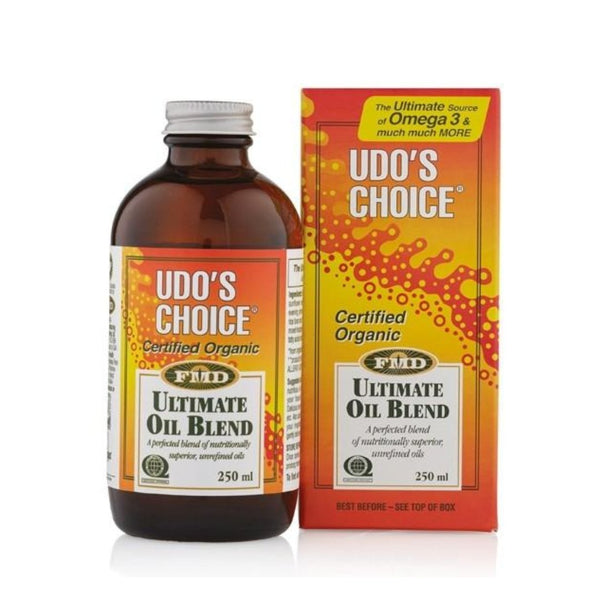
Udo's Choice Ultimate Oil Blend 250ml

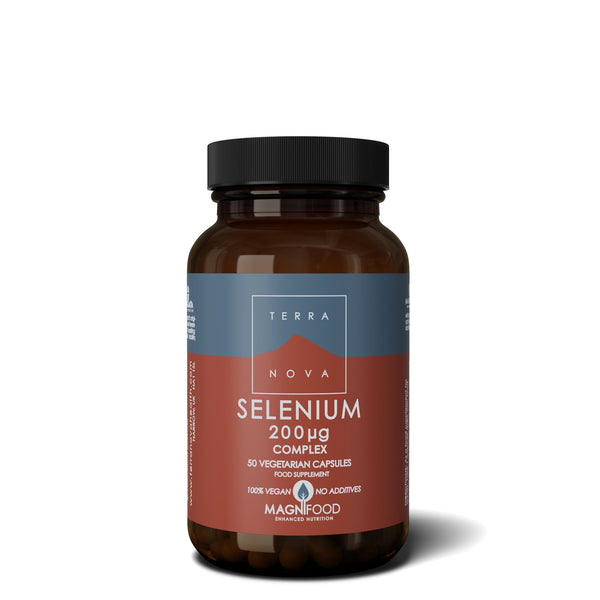
Terra Nova Selenium Complex 100caps

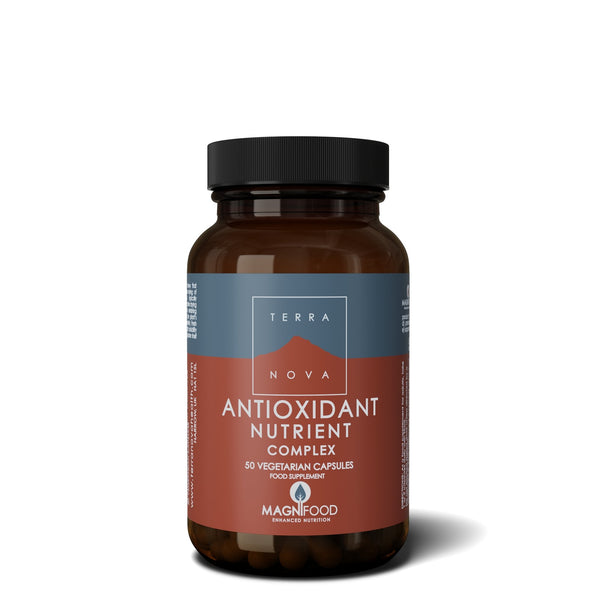
Terra Nova Antioxidant Nutrient Complex



Pharmanord Vitamin D Pearls 75ug | 3000iu | 80 caps

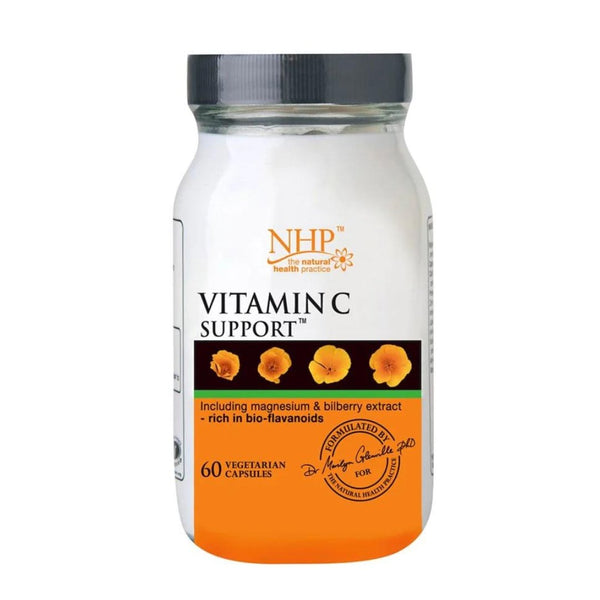
NHP Vitamin C Support 1000mg 60caps

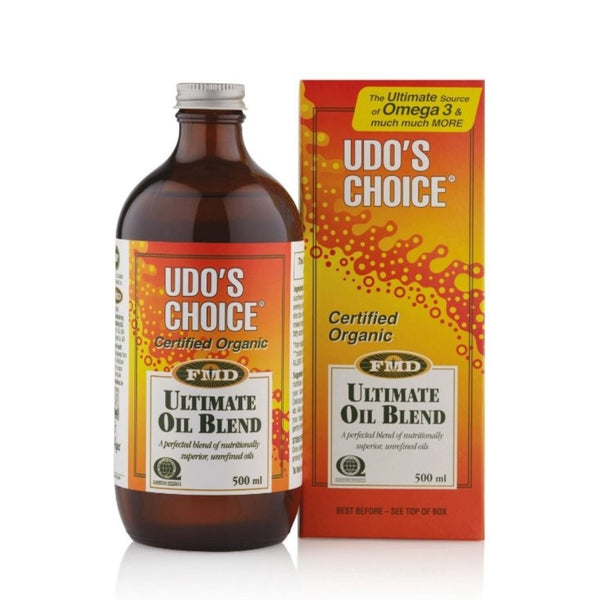
Udo's Choice Ultimate Oil Blend 500ml


NHP Omega 3 Support


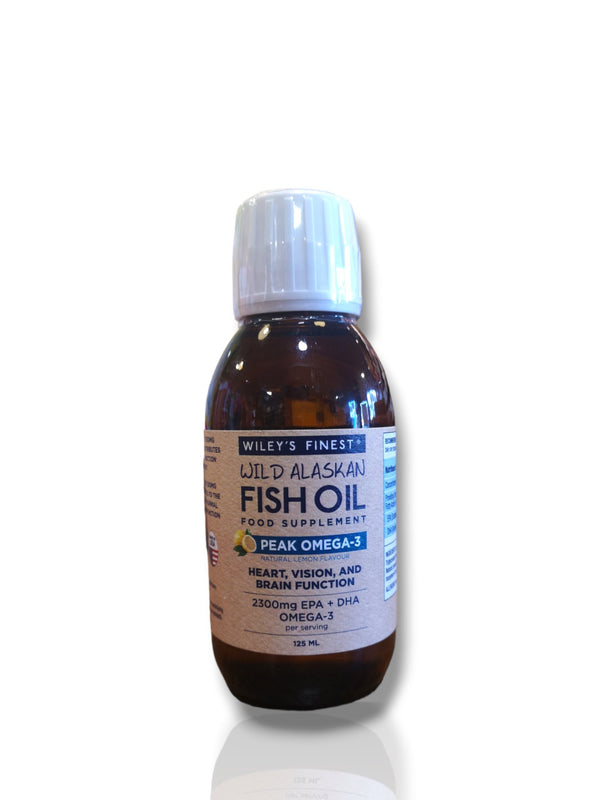
Wileys Finest Fish Oil 1000mg


Natural Psoriasis Support for Skin, Immune Balance and Inflammation
Psoriasis is a chronic inflammatory skin condition that causes dry, scaly patches due to an accelerated skin cell cycle. Our carefully selected range of psoriasis supplements is designed to support skin health, immune balance and inflammation management as part of a holistic approach to wellbeing.
At HealthyLiving.ie, we focus on natural psoriasis support through targeted vitamins, minerals and essential fatty acids that help nourish the skin from within.
What Is Psoriasis?
Psoriasis is a non-contagious skin condition believed to involve immune system dysregulation. In healthy skin, cells renew themselves approximately every 21–28 days. In people with psoriasis, this process speeds up dramatically, sometimes occurring within 2–6 days, leading to the build-up of thick, dry, scaly patches.
Psoriasis affects around 3% of the global population and often develops between ages 11 and 45. While not contagious, it can significantly affect confidence and quality of life.
Because psoriasis is linked to immune activity and inflammation, many people explore supplements for psoriasis as part of their management strategy.
Dietary and Lifestyle Support for Psoriasis
Maintaining a healthy weight and balanced cholesterol levels may help reduce inflammation and support skin health.
Key dietary strategies include:
- Eating colourful fruits and vegetables rich in antioxidants
- Choosing whole grains and high-fibre foods
- Including oily fish such as salmon or mackerel twice weekly
- Limiting processed fats and trans fats
- Choosing healthy unsaturated fats like olive and rapeseed oil
- Exercising moderately for 30 minutes, 3–4 times per week
- Lifestyle choices that reduce systemic inflammation can play a powerful role in natural psoriasis support.
Nutrition and Supplements for Psoriasis
Because psoriasis is closely linked to immune balance and inflammation, nutritional support focuses on calming inflammatory pathways and supporting healthy skin regeneration.
Vitamin D for Psoriasis Support
Vitamin D plays a critical role in immune regulation and normal skin cell turnover. Many individuals with psoriasis are found to have low vitamin D levels.
Supplementing with vitamins for psoriasis, particularly vitamin D, may help:
- Support normal skin regeneration
- Regulate immune response
- Reduce excessive inflammatory signalling
Maintaining optimal vitamin D levels is often a foundational step in psoriasis support.
Omega-3 Fish Oils and Anti-Inflammatory Support
High-strength omega-3 fish oils are among the most widely used anti-inflammatory supplements for psoriasis.
- EPA and DHA support:
- Reduced inflammatory activity
- Improved skin hydration
- Balanced immune response
- Joint comfort (for those with psoriatic arthritis)
Choosing a purified, high-quality omega-3 supplement ensures better absorption and long-term support.
Probiotics, Zinc and Antioxidants
Emerging research highlights the connection between gut health and skin health, often referred to as the “gut-skin axis.”
Probiotics
Support microbiome balance, which may influence systemic inflammation.
Zinc
Essential for skin repair, immune regulation and barrier function.
Antioxidants (Vitamin C and Selenium)
Help protect skin cells from oxidative stress and environmental damage.
Together, these nutrients support healthier skin turnover and resilience.
A Holistic Approach to Psoriasis Support
While supplements cannot cure psoriasis, many people use natural psoriasis support strategies to:
- Reduce flare intensity
- Improve skin hydration
- Support immune balance
- Enhance overall wellbeing
Combining targeted supplementation with balanced nutrition, stress management and regular movement often provides the most sustainable results.
Why Buy Psoriasis Supplements from HealthyLiving.ie?
- Trusted Irish health store since 2006
- Carefully selected psoriasis supplements
- High-quality anti-inflammatory nutrients
- Expert guidance and personalised support
- Fast delivery across Ireland
- Free shipping on orders over €55
- We only stock products we trust for long-term skin and immune support.
Frequently Asked Questions | Psoriasis Supplements
What are the best supplements for psoriasis?
Commonly used supplements include vitamin D, omega-3 fish oils, probiotics, zinc and antioxidant formulas.
Can supplements help psoriasis naturally?
Many people use supplements for psoriasis to support immune balance and reduce inflammation as part of a broader lifestyle approach.
Are omega-3 supplements good for psoriasis?
Omega-3 fatty acids are widely used for their anti-inflammatory properties and may help support calmer skin.
Does vitamin D help psoriasis?
Vitamin D supports immune function and healthy skin cell turnover, which are important in psoriasis management.
Do you deliver psoriasis supplements across Ireland?
Yes. HealthyLiving.ie delivers nationwide across Ireland.