

Why Do I Need Vitamin Supplements?
Understanding What Vitamins You Should Take for Daily Health and Wellness
Many people wonder what vitamins should I take when trying to improve their health, boost their energy, or strengthen immunity. Even if you follow a balanced diet, modern living, stress, soil depletion, poor sleep and reduced nutrient absorption can all lead to gaps in your daily nutrition. This is where high-quality vitamin supplements can make a meaningful difference.
Knowing what vitamins and supplements should I take starts with understanding how your body uses nutrients — and what happens when you’re not getting enough.
Why Daily Vitamin Supplements Matter
Even with a "healthy" diet, it can be difficult to consistently meet your body’s nutritional needs. Vitamin supplements help by:
- Supporting immunity, energy and mood
- Filling gaps created by inconsistent diets
- Replacing nutrients lost through stress, exercise or lifestyle
- Supporting metabolism, digestion and cognitive performance
Your body performs thousands of functions every day, each requiring specific vitamins and minerals. Supplementation helps ensure you have what you need to function at your best.
The Benefits of Vitamin D
One of the Most Commonly Needed Supplements
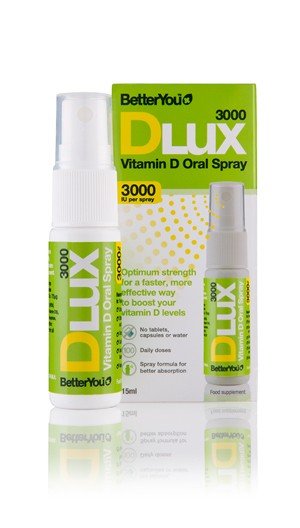
One of the most important and widely searched topics is the benefits of vitamin D — especially in Ireland, where sunlight exposure is limited. Vitamin D plays a crucial role in:
- Bone strength and calcium absorption
- Immune system regulation
- Hormone and mood balance
- Muscle function
- Cognitive health
Because Vitamin D is difficult to obtain naturally in Ireland, supplementation is often necessary.
Symptoms of Vitamin D Deficiency
Why So Many People Need Extra Support
Many people ask “Do I really need supplements?” — and in the case of vitamin D, deficiency symptoms provide a clear answer.
Common symptoms of vitamin D deficiency include:
- Low mood or seasonal fatigue
- Frequent infections
- Bone or joint discomfort
- Low energy
- Poor immune resilience
- Muscle weakness
If these symptoms sound familiar, Vitamin D supplementation may be beneficial.
What Multivitamin Should I Take?
If you’re unsure which vitamins you personally need, a simple starting point is asking:
“What multivitamin should I take?”
A good multivitamin provides a balanced combination of:
- B vitamins for energy
- Vitamin C for immunity
- Vitamin D for bones and mood
- Minerals like zinc and magnesium
- Antioxidants for cellular protection
Multivitamins are ideal for people who want a simple daily routine without juggling multiple individual supplements.
Why Food Alone Isn’t Always Enough
Even if you eat plenty of fruits and vegetables, it may still be difficult to meet your nutrient requirements due to:
- Soil mineral depletion
- Reduced nutrient density in modern foods
- Busy lifestyles and irregular eating patterns
- Digestive issues affecting absorption
- Increased nutrient needs from stress or activity
Vitamin supplements offer consistent nutritional support — without requiring a perfect diet every day.
Putting It All Together: What Vitamins Should I Take?
Here is a simple guideline for most adults:
Daily essentials
- Vitamin D (especially in Ireland)
- A good multivitamin
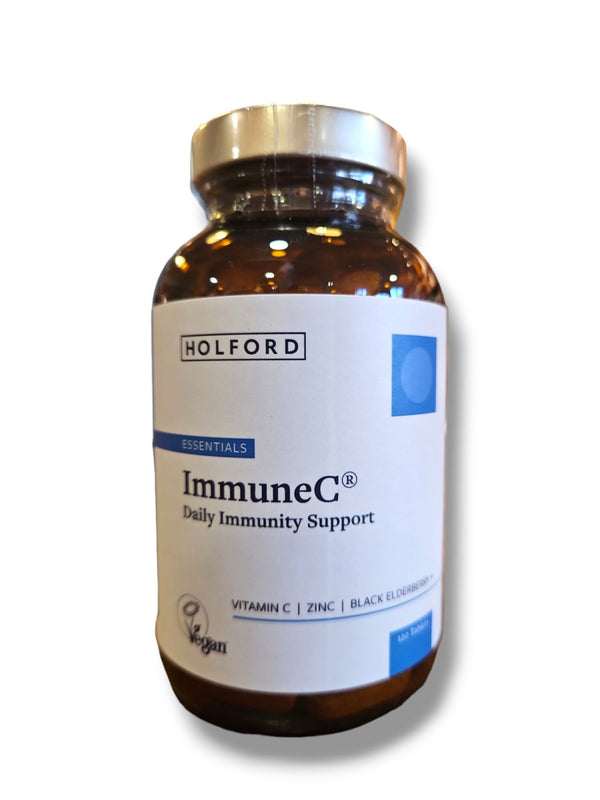
- Vitamin C for immune support
- B-complex for energy and stress
- Magnesium for sleep, energy and muscle function
- Additional support may be needed depending on lifestyle
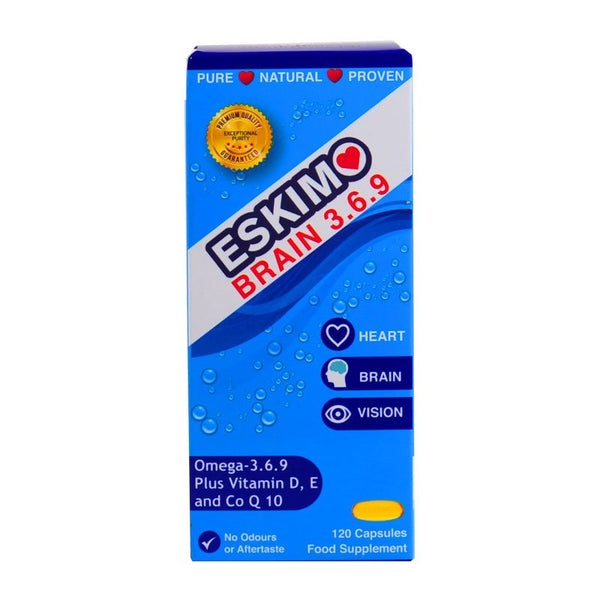
- Omega-3 for brain and heart health
- Probiotics for digestion and immunity
- Iron (especially for women with low stores)
The right combination depends on your diet, age, health conditions and daily stresses. Men will have different nutritional needs to women.
Final Thoughts
Vitamin supplements are not a replacement for healthy eating — but they are an incredibly effective tool to fill nutritional gaps, support energy, improve mood, and maintain long-term wellness.
If you’ve been asking what vitamins should I take, start with the essentials and adjust based on your individual needs.